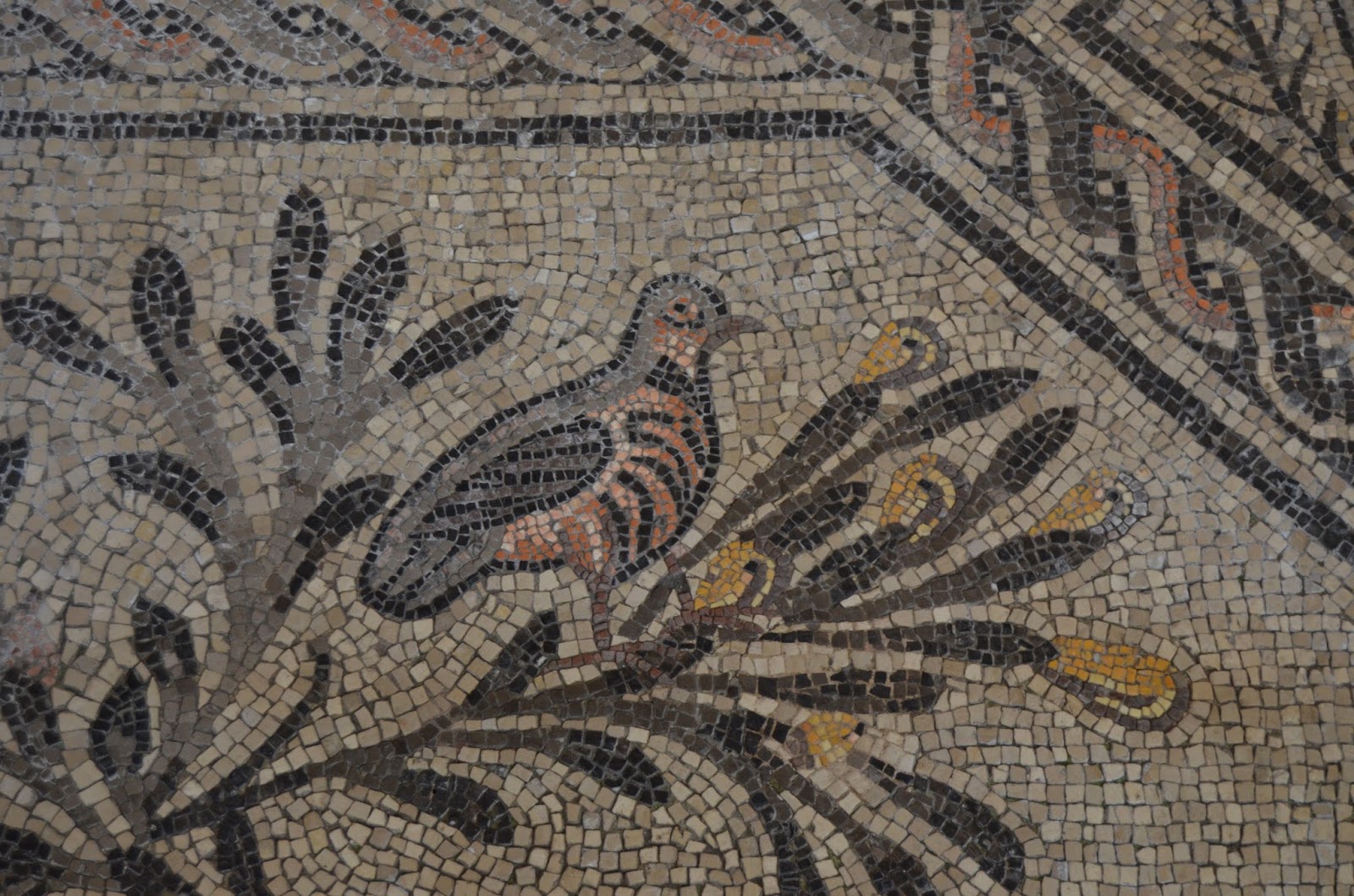
My Erasmus friend Simona, had invited me to visit her in Bulgaria, so after successfully booking a flight I left Bergamo with Wizzair on April 21st at 13:30 and arrived in Sofia, Bulgaria's capital at 17:30 local time. After a quick stop at Simona's house to leave my stuff, we immediately headed towards the city center where my friend showed me the immense National Palace of Culture which was built in 1981 to commemorate Bulgaria's 1300th anniversary, with a beautiful long and narrow fountain in front of it spraying water. The palace is now used for concerts, exhibitions and conferences and shows how Bulgaria has been striving to modernize and improve itself. From there we walked further along Vitosha Boulevard, Sofia's main street, lined with cool bars and cafes. It was then time to go as my friend had arranged to meet up with her friends and have a barbecue on the nearby mountain Vitosha. By the time we got to the top and started preparing it was already 10:30pm but in the end we had a really great barbecue with good meat, beer and company, though the temperature was much colder than in the city and I still felt cold even with my jacket on. The next day we woke up late in the morning and decided to head to Plovdiv, Bulgaria's second largest city. The drive took about an hour and a half and we saw some beautiful landscapes and all the Rila mountains still full of snow. After reaching the town of Plovdiv, we looked for a parking space and then continued on foot. We reached the city's main square, Stefan Stambolov square, where we decided to have lunch (I got chicken with potatoes with a kind of gravy). After lunch we continued on foot and walking along Knyaz Alexander I street we reached the ruins of the ancient roman Stadium, built in the 2nd century AD, when the city was known as Trimontium. Right above and next to the Stadium, stands the Dzhumaya Mosque, an impressive mosque, built in the 15th century during the Ottoman rule which still serves as temple for the islamic community. It was unfortunately closed so we weren't able to enter, so we moved on and got to the Church of Sveta Marina, with a beautiful wooden bell tower and a frescoed interior dating to the 18th century. It was a really pleasant and hot day, with a temperature of about 25 degrees; walking uphill we entered the Church of the Holy Mother of God and the Church of St Dimitar. After descending a narrow street we came in sight of the impressive roman theater, we payed the entrance fee 1,5 leva (75 cents) and entered the building. The theater, one of the best preserved in the world, was built in the 1st century AD, when the city was known as Philippopolis (before becoming Trimontium), and the whole cavea, or spectator seats, is still perfectly intact, while the stage has some columns still standing. The view from there was very nice, with the modern city just below, and the Rhodope mountains far in the distance. After exiting the theater we walked through some narrow and beautiful streets lined with typical ottoman/bulgarian wooden houses, and entered the Church of St Kostantin and Elena, considered to be the oldest in the city, dating to the 4th century though the present building dates to the 18th century. We then passed under the old city gate and reached the eastern part of town. There we had to turn around a bit as Simona's friend suggested to avoid that area since it was considered to be the Gypsies' neighborhood. We then entered a museum called Small Basilica (2 Leva) which holds an amazing basilica dating to the 5th century AD, with many mosaics still intact and an annexed Baptistery with an incredible mosaic depicting a deer drinking from a spring. After that we went on to see another museum, the Trakart Center (2 leva), which holds a series of incredible mosaics from different roman villas found throughout the city and some even more incredible glassware dating to the 3rd and 4th centuries, just amazing! After the museum we still had some time, so we went to check the city's other mosque, the Imaret mosque, also dating to the 15th century; it was open and with scaffolding inside but we still rather liked it, We then chilled a bit at the local public park, before two other of Simona's friends came to pick us up and drove us to Yagodina, a hamlet in the middle of the Rhodope mountains. We arrived quite late so we left our stuff in the hotel room and went downstairs to have dinner with all the other friends that would stay with us for the next few days (I got a
tarator, a cold soup made of yoghurt, cucumber and garlic, and then
patatnik a type of potato frittata similar to spanish tortilla, both very tasty). The morning after we woke up early, had a quick breakfast with Bulgarian bread and white
sirene cheese and then got on the off-road cars that would take us to the top of a nearby mountain. The ride was bumpy and crazy but really awesome, we were going through forests and plateaus and up rocks when we reached the top that had a beautiful view over the surrounding mountains. There was also a platform jutting out from the mountain top called Orlovo Oko, or Eagle's Eye, and as the name suggest had an impressive view on the gorge below. We then got back on the cars and drove on until we reached another great view, overlooking the Trigrad gorge and river. Driving further on we reached the bottom of the gorge and walked a bit along the river with some really pleasant surroundings. We then went back to the village of Trigrad where we had an amazing lunch at Kristiyan's house, one of Simona's friends, with fresh trout and a super tasty
patatnik of which I had five dishes. After thanking Kristiyan's parents we got back in the car and headed towards Trigrad gorge, there we booked a tour of one of Bulgaria's most scenic and famous caves, Devil's Throat Cave. In fact once inside, I was in awe of its size and beauty, particularly the impressive steep staircase spiraling to the top and then out of a small opening. Once outside we took some pictures of the pretty waterfall cascading next to the cave's exit, and tried some really yummy bee and pine honey which I came to regret not buying as it was really cheap and super tasty. It was time to leave, so after getting back in the cars we headed towards Yagodina to pick our stuff, switch cars and head to our next destination. We drove through another impressive gorge and reached the village of Chala,where we stayed in a beautiful house, which Simona explained to me they had believed we would be staying in camps without shower, heat and so was quite a pleasant surprise to find out otherwise. The villages in this part of Bulgaria, are still mainly Muslim, in fact one can easily spot the minarets jutting out from each village center,
That night we had a great dinner and then party with lots of bulgarian food, rakia and even more bulgarian pop and folk music; we ate, danced and drank till late. The next morning we woke up late and still quite groggy, we had brunch with airyan and bread with sirene cheese, we then got our stuff and left to the next place. We reached Yagodinska Cave, another really nice cave which unlike the other, was mostly composed of stalagmites and stalactites. Unfortunately the guide only spoke Bulgarian, and the friends that spoke English had decided to stay out and eat something instead; luckily a Bulgarian guy had some British friends and was translating for them so I managed to catch his translations. Exiting the cave I rejoined with my friends and decided to have something to eat, so I got a really tasty crepe with local blackberries that were really good. It was then time to go so we said goodbye to everyone and got back in the car headed for Sofia. On the way back we had a quick stop in a town called Krichim where a really young gypsy kid asked us for some money, the girls thought they had seen him before so started telling random countries to which he would respond with their correspondent capital city; apparently this kid was famous in Bulgaria and had gone on TV as he knew lots if not all capital cities in the world. About 2 hours later we were back in Sofia and the next morning I was ready to finally explore Sofia itself.
We started the day with the beautiful Ivan Vazov National Theater completed in 1907, and then walked on passing by the Monument to the Tsar Liberator, constructed for Alexander II who liberated Bulgaria from Ottoman rule during the Russo-Turkish war of 1877. and then stopping for a pic of the communist monument in Knyazheska Garden. Then onward stopping at the SS. Cyril ad Methodius National Library, built after the previous one had been bombed in WWII, we then reached and entered Alexander Nevsky Cathedral, the second largest in the Balkan Peninsula. Completed in 1912 in clear Neo-Byzantine style, it has a beautiful golden dome and the interior is richly decorated with marbles and mosaics (which apparently had been shipped over from Venice). Right across from the Cathedral, stands the Church of Saint Sofia, which is considered to be Sofia's second-oldest church, dating to the 6th century. The interior was quite empty as it had been transformed into a mosque during Ottoman rule, thus all the frescoes had been removed, however some parts of the mosaics were still visible through glass coverings in the floor. Continuing on we also entered the Church of St Nicholas, or Russian church, and then passed in front of the National Gallery and the National Archaeological Museum, hosted inside a former ottoman mosque from the 15th century, but unfortunately closed due to refurbishment works. We then reached the Rotunda of St George, Sofia's and probably Bulgaria's oldest church, dating to the 4th century with beautiful 12th and 13th century frescoes inside. From there we passed in front of the looming statue of Saint Sofia and the small yet closed church of Sveta Pekta; right next to it and below the main square was a recently (2014) opened air museum which showed the archaeological remains of the roman city of Serdica, found when digging for the new metro line. We continued on and entered the Sofia Synagogue (2lev), the largest in Southeastern Europe, built in 1909 in an interesting Moorish style. After that we went in the Central Market Hall where I bought some
baklava to snack on ( a sweet pastry with nuts, honey and pistachio) which I ate while sitting on a bench in the gardens sided by the Banya Bashi Mosque on one side, and the Museum of the History of Sofia on the other. We entered the mosque, built in the 16th century which was unfortunately covered in scaffolding but still rather nice to look at, and then walked further reaching the Largo, or Sofia's main square, with all the Soviet style government buildings all around it. Not too far on we also visited the Amphitheater of Serdica, part of a roman amphitheater now inside a modern hotel, quite impressive to look at. We then ended the day's visit with the Church of St Nedelya, first built in the 10th century, the modern building dates to the late 19th century and was greatly reconstructed after an assault in 1925 when a group of communists blew it up killing 150 people, a plaque reminding the event stands next to the entrance. That night Simona brought me to her friends' house to have dinner, but the next morning I didn't feel so well from mixing wine, rakia and whisky so I had to recover by sleeping till midday. I then managed to get up but we already had lost all morning so we just had time for a few of the museum I had planned to see. We began with the Unesco World Heritage Site of the Boyana Church (5 leva), an amazing 10-11th century church with incredible frescoes dating to the 11th to the 17th centuries, though the most important ones were from 1259. They were really interesting as they dissociated themselves from the mostly robotic and 2D typical byzantine frescoes and looked more like the roman and western fluid and 3D figures. It was unfortunately forbidden to take pictures inside so I will have to rely on my memory and internet pics to recall their beauty. After that we got on the bus and went back into town, as the church sits about 8km south of the city right below Vitosha mountain. We then visited the Museum of the History of Sofia, which ,as the name suggests, presented many artifacts dating from the city's early beginnings to the 20th century. There were many roman objects such as golden cups, interesting glassware and then medieval manuscripts and paintings, 18th century clothes and even a whole chariot. We were also able to see a traditional bulgarian dance performed by children inside the museum. To end the day we attended Simona's friend's vernissage where we had a few drinks and enjoyed the sunset before then heading home to have dinner and sleep. The day after was unfortunately my last day so Simona showed me where to take the bus which then brought to the airport and back home to Italy after an amazing week in a splendid country.
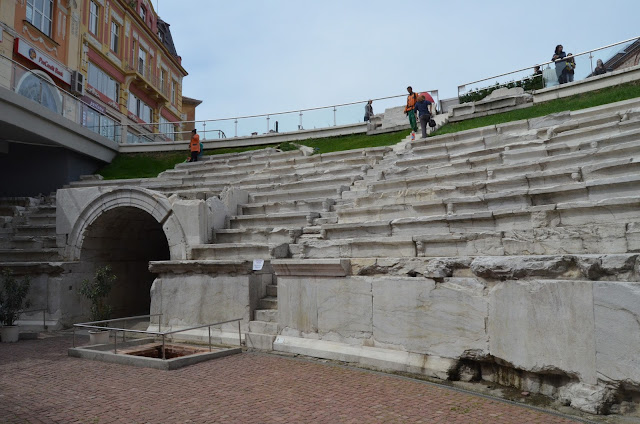 |
| The Roman Stadium of Plovdiv |
 |
| Dzhumaya Msoque |
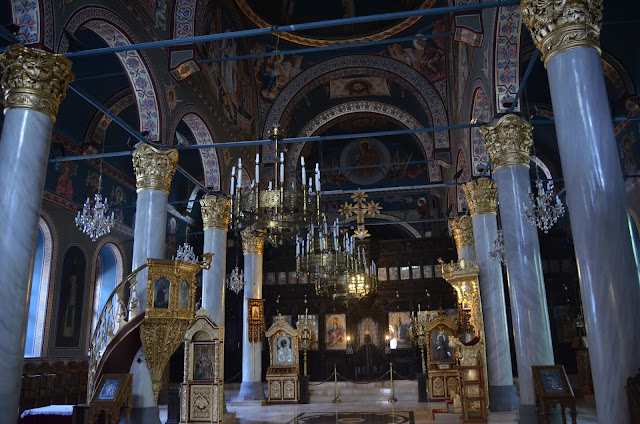 |
| Interior of the Church of Sveta Marina |
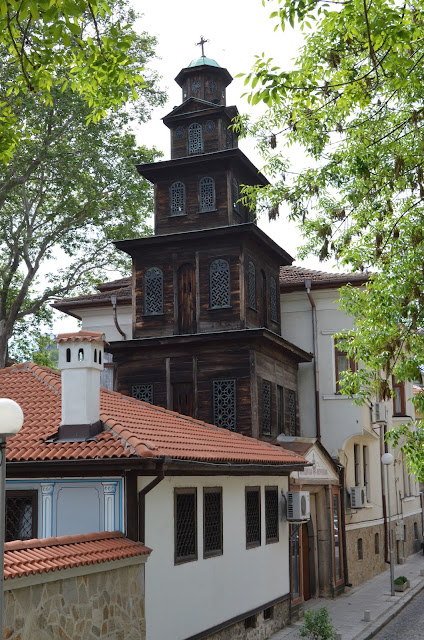 |
| Wooden bell tower of Sveta Marina |
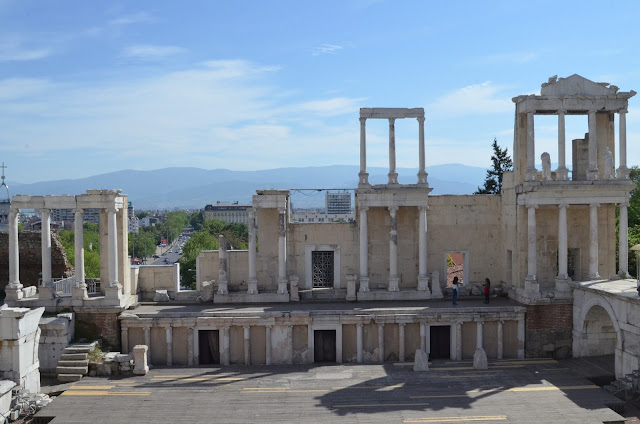 |
| Roman Theater |
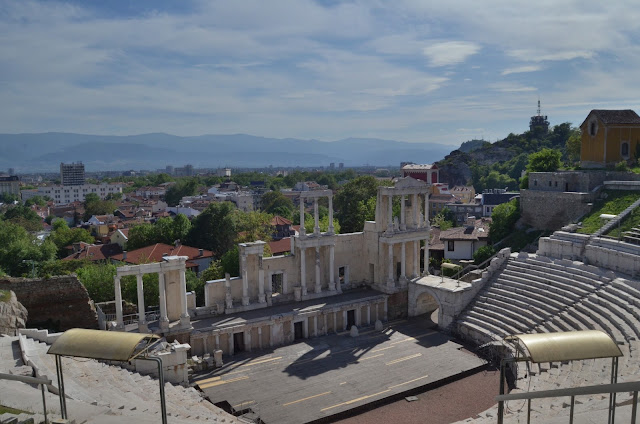 |
| View of the Roman Theater |
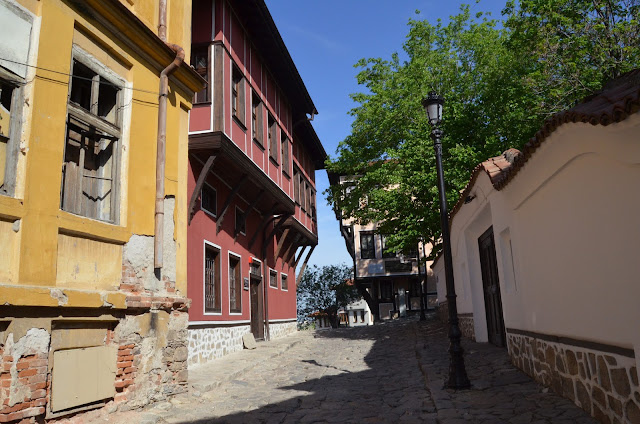 |
| One of the typical streets of Plovdiv |
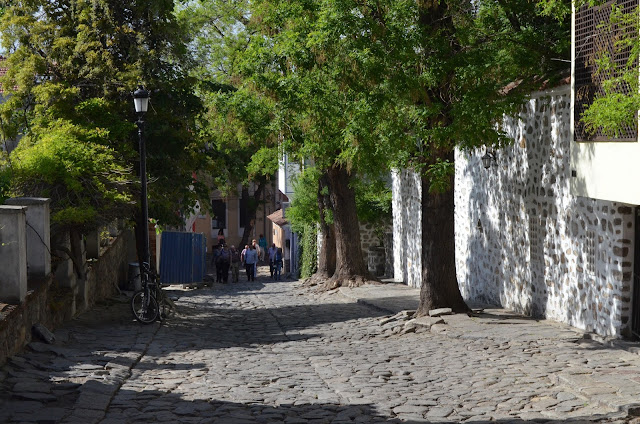 |
| Another street in Plovdiv |
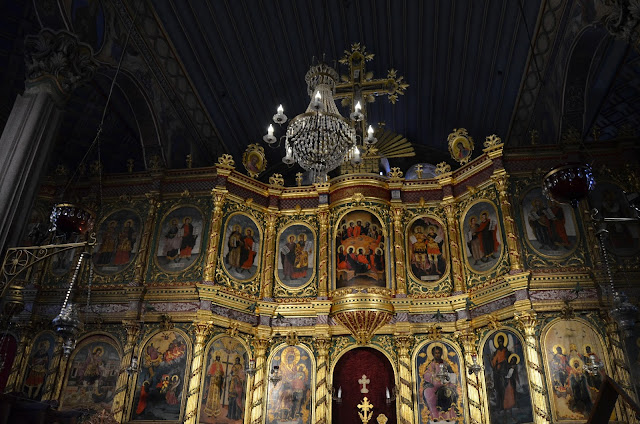 |
| Interior of the Church of St Kostantin and Elena |
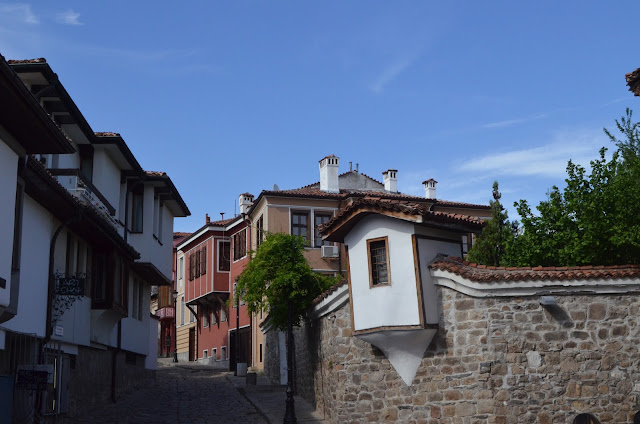 |
| Typical wooden houses |
 |
| Mosaic inside the Small Basilica |
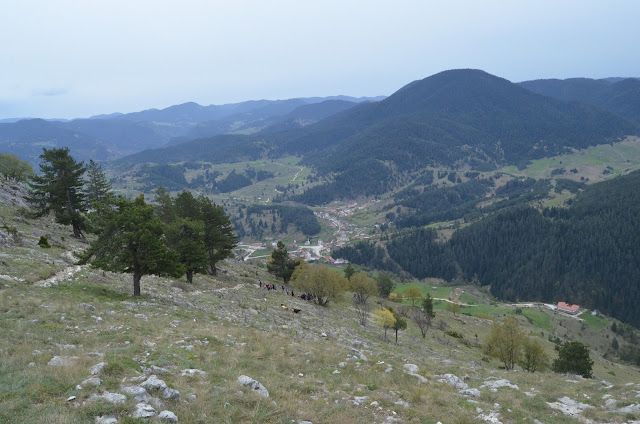 |
| View of Yagodina from Orlovo Oko |
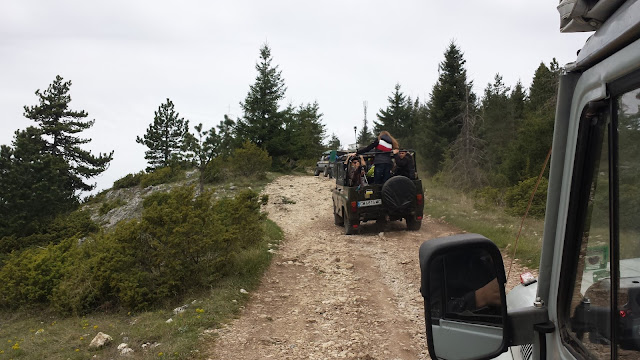 |
| Offroading |
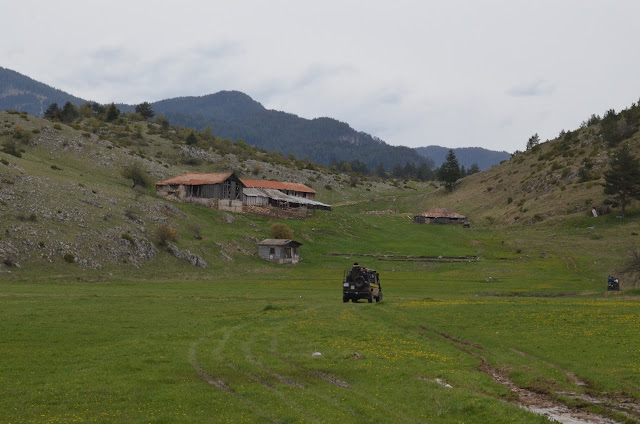 |
| Offroading near Yagodina |
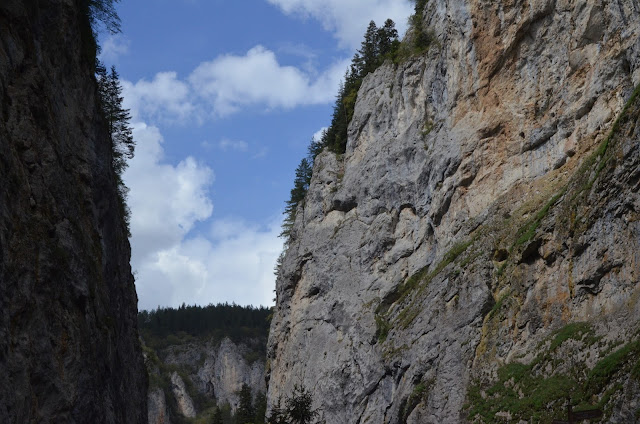 |
| Trigrad Gorge |
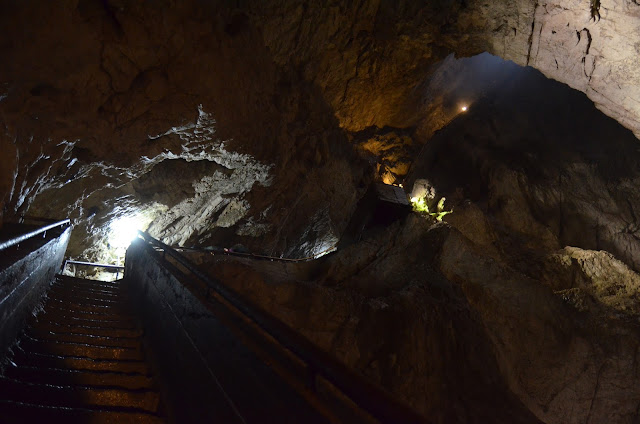 |
| Devil's Throat Cave |
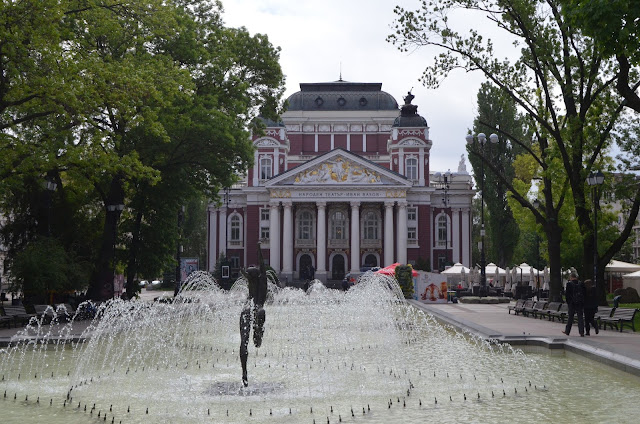 |
| Ivan Vazov National Theater |
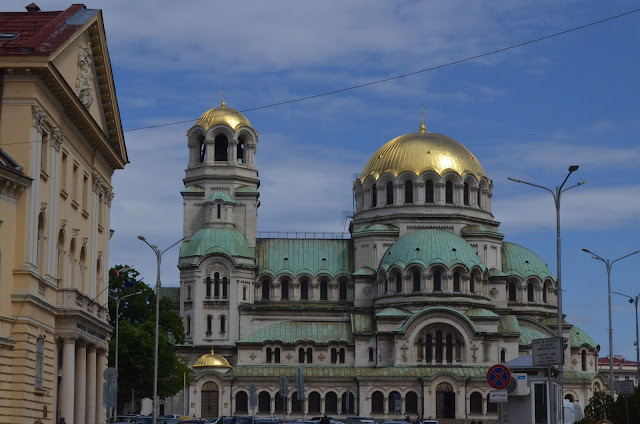 |
| View of Alexander Nevsky Cathedral |
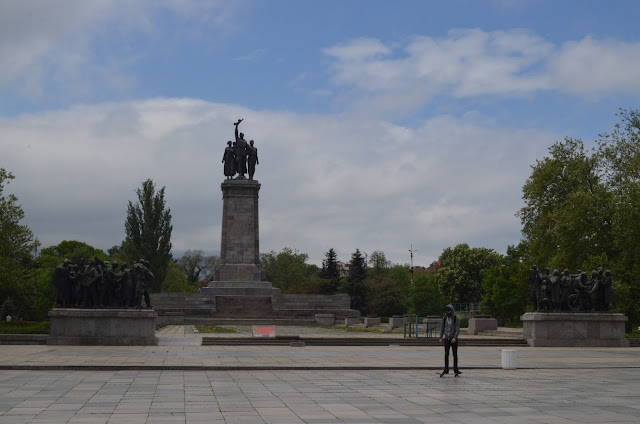 |
| The soviet monument |
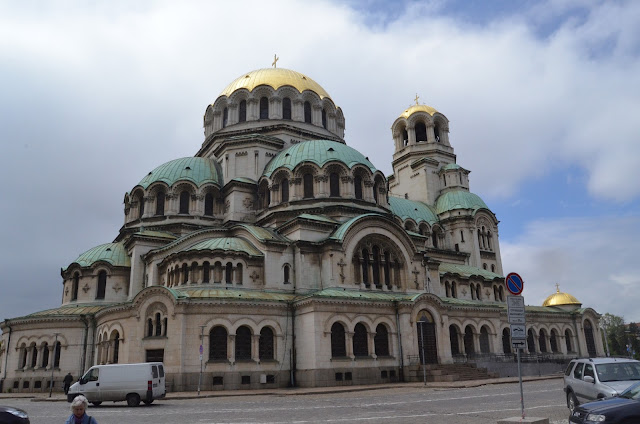 |
| Alexander Nevsky Cathedral |
 |
| Interior of Alexander Nevsky Cathedral |
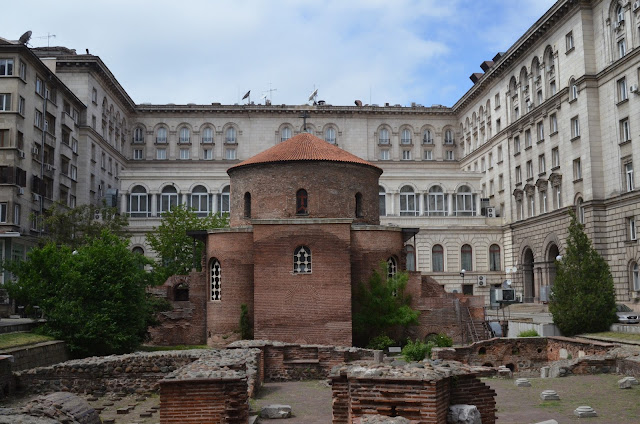 |
| The Rotunda of St George considered to be Sofia's and Bulgaria's oldest church |
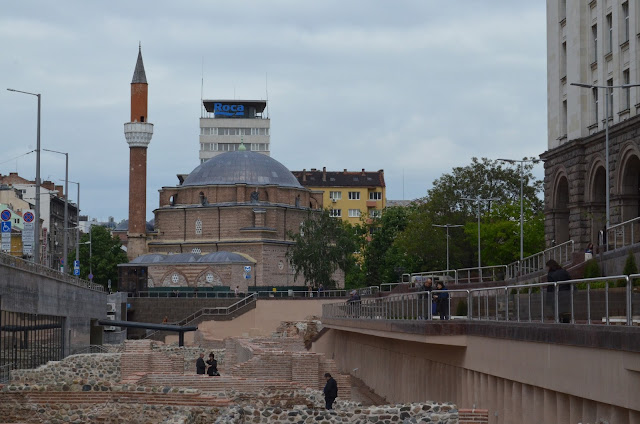 |
| View of Banya Bashi mosque and the roman ruins below |
 |
| The Sofia Synagogue |
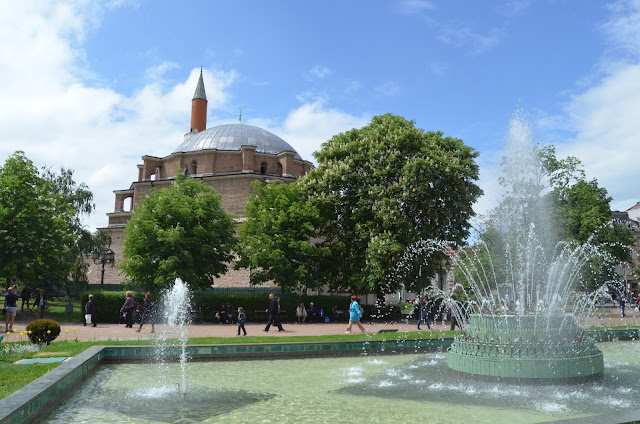 |
| View of Banya Bashi Mosque |
 |
| The Largo or Sofia's main square with the government buildings all around |
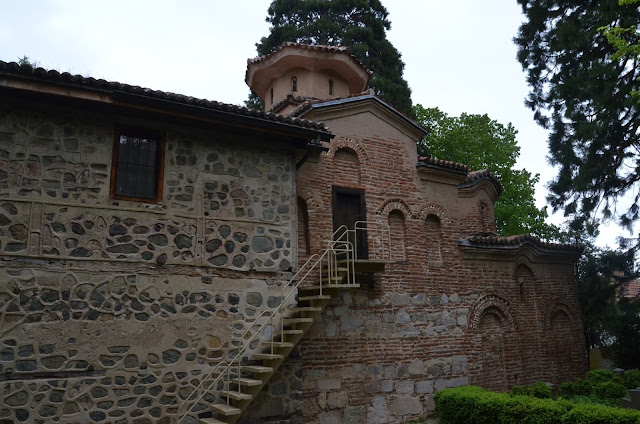 |
| Boyana Church |